A deep - ocean spaghetti worm was recently showcased by theMonterey Bay Aquarium Research Institute(MBARI ) , who to begin with made avideoabout the unusual being in celebration of International Polychaete Day . The footage was from an junket to Mexico ’s Gulf of California in 2012 , when researchers spotted what looked like marine pom - pom on the ocean storey .
Unsure as to what sea oddness they were take care at , MBARI enlist the help of taxonomic expert Greg Rouse from Scripps Institution of Oceanography to name the unique polychaete worm . Rouse helped the team establish that they were dealing with an undescribed specie of spaghetti dirt ball in the genusBiremis .
The tasseled insect is still await formal identification in a journal paper , but we do know it sit within theBiremisgenus , a chemical group of animals that share sealed traits . These admit no eyes , no gills , and a lack of bristle along its body segments .
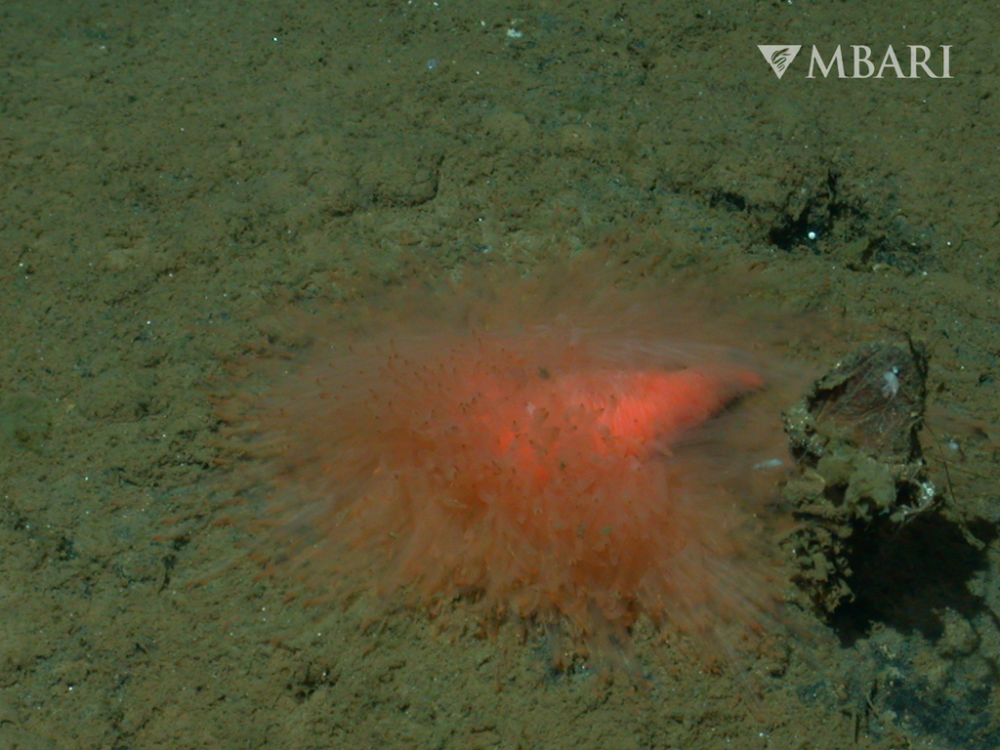
It’s easy to see how scientists landed on the nickname “spaghetti worm”. Image credit: © 2012 MBARI
Biremisis most notably recognize for its strange high-sounding tentacle , giving this pinkish writhe its pom - pommy artistic . Typically , animals of this genus live intubes or burrowson the sea floor , but this particularBiremisacts a slight differently .
Rather than hiding away in the seabed , this particular spaghetti dirt ball has been found either seat on the sandy surface or swimming just above it . swim might not seem like the easiest thing for animals likened to spaghetti , but in doing so , the worm can increase its alimentation opportunities by travel on to more lucrative foraging sites .
Those many spaghetti tendril come in handy here , sifting through the deposit in search of nutritious scrap of marine snow , the name given to the continuous shower of organic rubble be adrift down the urine chromatography column .
Another beast do it to be warm of this delicious sea dandruff is arecently - described anemonethat moves along the sea bottom with the aid of hermit crab that wear it like a stylish hat .
This spaghetti worm video comes from a Brobdingnagian archive of around 28,000 hours of footage which MBARI is using to profit a better sympathy of sea wildlife and ecosystems in an effort to safeguard our nautical home ground for the futurity .
“ MBARI and our collaborators have described more than 240 new species , from a new metal money of treetop jelly and a worm that devolve bioluminescent ' bomb calorimeter ' to unique carnivorous sponges and an miscellany of bone - feed insect , ” a spokesperson from MBARI narrate IFLScience .
“ By documenting new species in the recondite sea , MBARI is helping establish a service line for living in the declamatory surround on Earth . We ca n’t protect what we do n’t understand , so understanding what subsist in the deep sea is a decisive first step toward protect deep - ocean animals and habitats from threats like overfishing , plastic befoulment , and climate change . ”
