A 3,700 - year - old ivory delousing comb detect at Tel Lachish , Israel , contains what is likely the onetime full condemnation written using the ancestor of alphabets in the berth of its invention . According to a new study , the letters reveal a lot about how the rudiment evolve , plus the concern of ancientness ’s elite .
The invention of authorship transform the populace for many reasons , one being the penetration it pop the question into what was of import to people in previous epoch . The comb indicates one of those thing was biting insect – specifically , worm that inhabit beard .
Neither the Ancient Egyptians nor Mesopotamians used what we recognize today as an alphabet , beginning with pictorial representations of actor’s line that became more abstract over time . It was the Canaanite spoken communication that are thought to provide the origins of the letters used in modern European and Arabic penning .
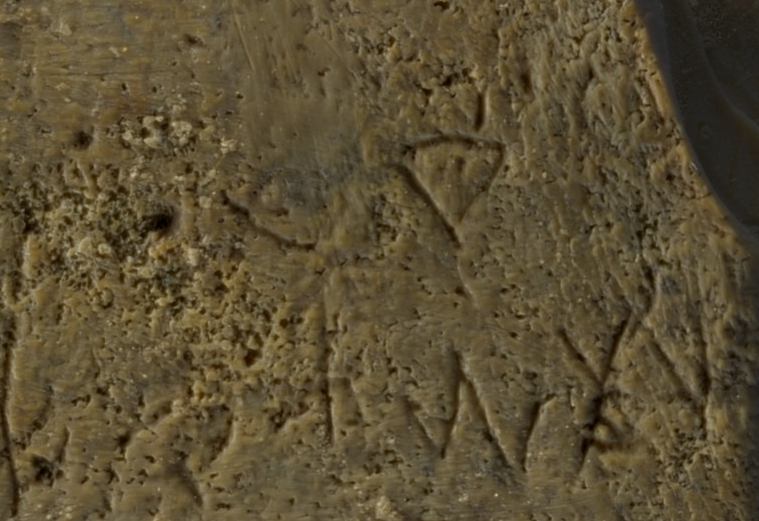
Some of the letters, scene here in close-up, look very familiar. Image Credit: Dafna Gazit, Israel Antiquities Authority
The suspected early examples of this composition are about 3,800 year old . Both , however , come from Egypt and were apparently made by migratory workers . When it comes to early exercise of the first rudiment ’s use from what was then Canaan , all we have is scattered words from before about 3,300 years ago .
The Tel Lachish comb changes that , even though the letters are so humble and shallow they were not noticed when it was first excavate in 2016 . The fineness of the committal to writing suggest literacy may have been more widespread in Canaan at the time than previously imagined .
The form of the coxcomb ’s 17 symbols have led the newspaper ’s authors to estimate its years at 3,700 old age , although it was found in a much young layer of the ancient city . They translate the Holy Writ to ; “ May this ivory root out the lice of the hair and the whiskers . ” clear , writing at the sentence made much more efficient use of goods and services of letters , which create sense when they had to be fastidiously scratched on mud , os , or elephant tooth .

A reconstruction of the letters engraved on the comb shows some that look like our own alphabet, but also a drawing of a cat.Image Credit: Daniel Vainstub
This is the first dedication from the region relating to the purpose of an physical object , rather than referring to its owner .
“ This is the first sentence ever found in the Canaanite language in Israel , ” saidProfessor Yosef Garfinkelof the Hebrew University of Jerusalem in astatement . “ There are Canaanites in Ugarit in Syria , but they write in a different script , not the first principle that is used till today . ”
The postage stamp legal tender - sized comb has been damaged and has lost most of its tooth , but once had six deep protuberance on one side and 14 finer ones on the other . It is thought the big teeth were used to untangle slub , while the smaller ones could remove louse and eggs – a organisation still in use today for undertake infestations of bite worm . Lousechitinwas even found on the comb ’s second tooth .
Even before the writing was notice , the coxcomb enjoin us something about life in the Middle East at the time . Anything made of pearl would have been a luxury item , requiring importing from Africa . Lice have been have sex toplague humanityfor at least 10,000 years , and the coxcomb essay they were even a problem for the wealthy .
The comb ’s makers could never have imagined their newfangled alphabet would direct to a revolution in knowledge computer memory and transfer . Among the technologies this would finally make possible were insecticides and washing machines that would indeed help settle down out dirt ball – at least for those able to give the innovative equivalents of ivory coxcomb .
The paper is usable unfastened access at theJerusalem Journal of Archaeology .
